Stop Fighting Food: The Potato Chip Experiment That Rewired My Eating Habits
For years, eating felt like roulette.
Not indulgence.
Not enjoyment.
Roulette.
Would I react?
Would my stomach ache?
Would food get stuck?
Would I need to throw up afterward?
I had severe peanut allergies growing up. Peanut butter sandwiches were normal for everyone else. For me, they were life and death.
Later, I developed inflammation in my esophagus that made swallowing unpredictable and sometimes frightening. I dealt with asthma, eczema, digestive reactions to unknown foods, anxiety, headaches — and at 6’5”, I weighed only 168 lbs.
Tall. Thin. Inflamed.
Food wasn’t fuel.
It was friction.
And for a long time, I tried to solve it the way most people do:
More rules.
More restrictions.
More willpower.
None of it worked.
What did work surprised me.
It started with potato chips.
The Potato Chip Experiment
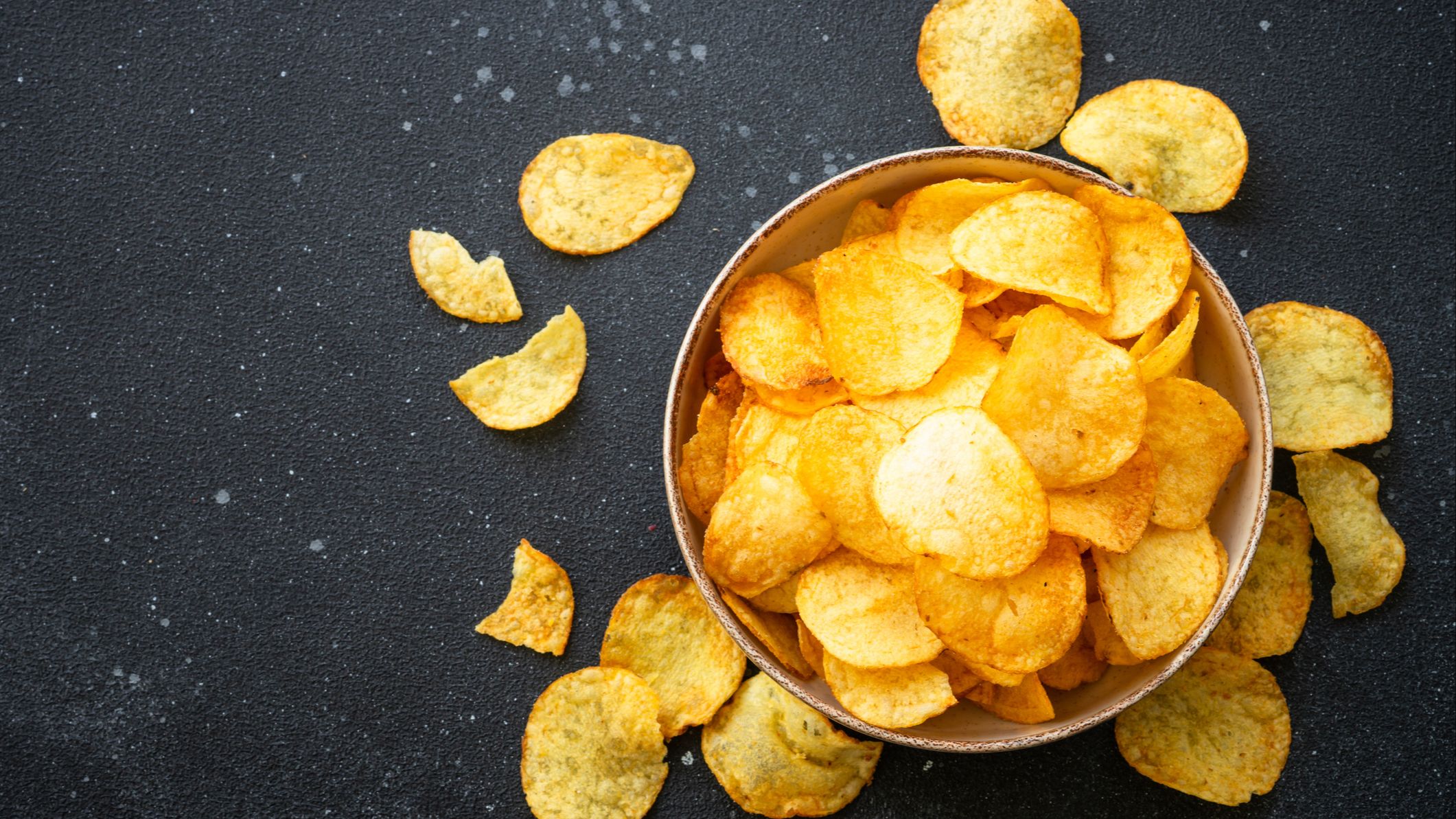
My favourite junk food is plain potato chips.
Not obsessed.
Not completely addicted (well… maybe a little).
Just … always happy to eat them.
If they were in the house, I’d snack on them.
Watching something.
After dinner.
No big deal.
Until I decided to run an experiment.
Not a streak.
Not a “never again.”
Not a replacement habit.
Just awareness.
The Experiment
Instead of trying to stop eating chips, I studied the habit.
If I was going to eat them, I would:
- Pause before.
- Pay attention while eating.
- Study the impact after.
That was it.
No drama.
1) Before: Notice the Craving
When the urge arose, I paused.
Just 60 seconds.
I tuned into my body:
- Where did I feel it?
- Was it restlessness?
- Was it boredom?
- Was it stress?
- Was it actually hunger?
Cravings rise and fall. Most of the time, we never see that because we respond instantly.
Pausing didn’t force me to stop.
It just brought the urge into awareness.
2) During: Eat With Full Awareness
If I chose to eat the chips, I slowed down.
One bite at a time.
Notice the taste.
Notice the texture.
Notice the intensity.
And something strange happened.
They didn’t taste that great.
Salty.
Oily.
Crunchy.
But not amazing.
I realized I wasn’t eating them for flavour.
I was eating them for autopilot comfort.
That insight alone changed something.
3) After: Study the Impact
This is the part most people skip.
After eating, I paid attention:
- How did my stomach feel?
- Was there heaviness?
- Was there lightness?
- What happened to my energy?
- What happened to my mood?
With chips, I felt subtle heaviness.
Slight sluggishness.
Not dramatic — just enough.
And once I felt that clearly a few times, something shifted.
The reward wasn’t as rewarding as I thought.
The habit lost power.
Not because I banned it.
Because I saw it clearly.
How Many Reps Does It Take?
Sometimes as few as 5–10 conscious repetitions.
Sometimes more.
The key is this:
You only do this with habits you genuinely want to change.
Because once you see clearly, you can’t unsee it.
Before this experiment, I genuinely liked potato chips.
After a handful of reps, the pull weakened dramatically.
Have I eaten chips since? Yes.
When I notice the pull getting stronger, I just run the experiment again.
No guilt.
No identity crisis.
Just awareness.
A food that once had a strong hold on me now feels neutral.
A Quick Note on Inflammation & the Body
Inflammation isn’t bad.
It’s protective.
It’s how your body heals.
But chronic inflammation — especially in the gut — can influence:
- Energy levels
- Mood
- Skin conditions
- Asthma
- Brain fog
- Anxiety
Your gut and brain communicate constantly through the gut-brain axis.
What you eat doesn’t just affect your weight.
It affects your state.
In my case, removing gluten, dairy, eggs, soy — and eliminating added sugar — made a measurable difference in how I felt physically and mentally.
Your list might look different.
This isn’t about copying my diet.
It’s about learning to listen to your body instead of fighting it.
Buy Your Willpower at the Store
There’s one more practical rule that helps:
If you don’t want to run awareness reps every night…
Don’t keep it in the house.
Environment design reduces temptation dramatically.
Most people are strongest at the grocery store and weakest at 9:30 p.m.
Design beats discipline.
Your March Challenge: The Eating Experiment
This month inside Everyday Heroes, we’re running a simple 7-day challenge.
Pick one food or drink.
Just one.
Not your entire diet.
Not a full overhaul.
One specific challenge.
Maybe it’s:
- Late-night junk food
- Sugar in the afternoon
- Emotional snacking
- Mindless grazing while watching TV
Instead of trying to eliminate it immediately, you’re going to study it.
Run awareness reps.
Track what you notice.
Let clarity do the work.
No streak pressure. No moralizing food. Just data.
If you want support:
👉 Join the Everyday Heroes community (free):
https://www.habits.coach/community?utm_source=blog
How to Use the App for This Experiment
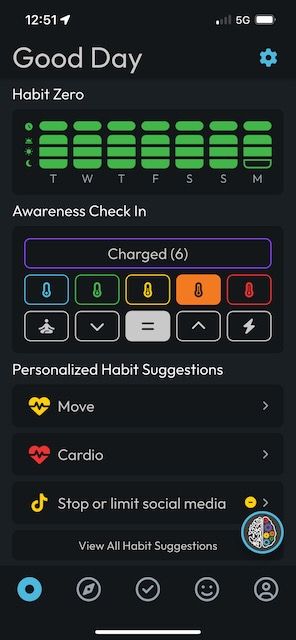
If you want structure, the Habits Coach app makes this simple.
👉 Start using the Habits Coach app here:
https://open.habits.coach
This month, leverage a Negative Habit.
Don’t create a random “awareness rep” habit.
Select the habit you actually want to limit.
Because this isn’t about doing more.
It’s about setting a clear boundary around something that’s pulling you off course.
When you define a Negative Habit, you’re not restricting yourself.
You’re clarifying your intention.
And clarity increases awareness before the craving even hits.
Step 1: Identify Your Challenge
Be specific.
Examples:
- Junk food
- Sugar after dinner
- Late-night snacking
- Afternoon energy drinks
Clarity beats vagueness.
Step 2: Select a Negative Habit
Choose a master habit like:
“Stop or Limit Junk Food.”
Then personalize it for your situation.
Set your daily maximum (even if that’s zero).
You can also:
- Flag it as a Kryptonite Habit
- Set how many days per week it applies (for example, 5 days with 2 flexible days)
Just setting that intention is powerful.
You’re naming the pattern.
And naming a pattern increases awareness immediately.
Step 3: Run Encoding Reps
Now comes the experiment.
Every time the urge arises:
Don’t just resist it.
Study it.
Double-tap the habit (from Home, My Habits, or My Compass) to instantly open the Encoding Entry screen — already attached to that habit.
Then log:
- Before (notice the craving)
- During (if you eat it, stay present)
- After (study the impact)
Inside the entry, tag:
- The emotion you felt
- The thoughts you noticed
- The body sensations
- Any other factors (stress, boredom, social setting)
Over time, patterns become obvious.
You’ll notice:
- When cravings hit
- What state you’re usually in
- What the habit actually gives you
- What it actually costs you
You’re not trying to win a streak.
You’re training awareness.
And when awareness increases, prediction shifts.
When prediction shifts, behaviour follows.
Track the reps.
Watch the pull change.
Final Thought
Most people try to fix eating with force.
But force strengthens resistance.
Awareness updates the map.
This month isn’t about restriction.
It’s about alignment.
Run the experiment.
Let your body tell you the truth.
Then choose from clarity.