The SHAPE Framework: How to Support Someone Without Losing Yourself
Most relationship damage doesn’t happen because we don’t care.
It happens because we care — and we panic.
We want to help.
We want to fix it.
We want the tension to go away.
So we rush.
We give advice too early.
We try to solve before we’ve listened.
We push encouragement when what’s actually needed is safety.
I’ve done this more times than I’d like to admit.
SHAPE came from noticing that pattern in myself.
It’s not a communication trick.
It’s a way to slow down enough to stop making things worse.
Before SHAPE: Getting to Zero
There’s something uncomfortable to admit:
If I’m activated, I can’t offer real support.
If I’m:
- trying to prove I’m right
- trying to fix them so I feel better
- trying to avoid the discomfort
- trying to control the outcome
… I’m not actually there for them.
I’m managing myself through them.
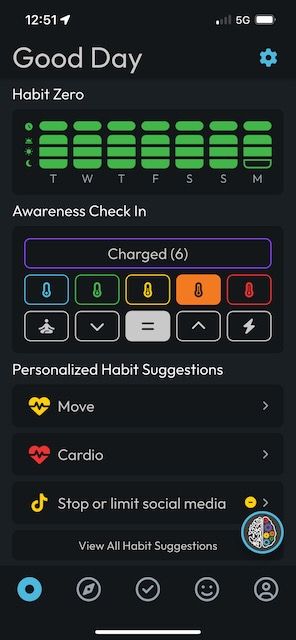
Getting to Zero just means this:
I settle my nervous system first.
Not perfectly.
Just enough that I’m not in “Top” (I know better),
“Bottom” (I’m failing),
“Left” (I’m withdrawing),
or “Right” (I need to fix this now).
Zero isn’t passive.
It’s grounded.
And from there, SHAPE becomes possible.
What SHAPE Really Is
SHAPE isn’t about saying the perfect thing.
It’s about offering five conditions that help another nervous system stand down.
Most people don’t need brilliance.
They need to feel safe.
S — Safe
When someone is upset, their body is already bracing.
If I come in hot — even if I’m “right” — it escalates.
So I slow down.
I soften my tone.
I lower my volume.
I drop my shoulders.
Sometimes I just say:
“We don’t have to solve this right now.”
And I watch.
If it’s landing, I’ll see:
- their shoulders drop
- their breathing slow
- less edge in their voice
- they stay instead of withdraw
Safety isn’t about agreement.
It’s about lowering threat.
H — Heard
This is where I used to mess up constantly.
I would “listen” while preparing my response.
I’d reframe too quickly.
Correct the logic.
Improve the story.
Being heard means I reflect one sentence back — without improving it.
“That sounds frustrating.”
And then I stop.
If it lands, something subtle shifts.
They don’t fight to explain themselves.
They say, “Yes, exactly.”
They stop repeating the same point.
Being heard is incredibly regulating.
A — Accepted
This one is harder than it sounds.
Acceptance does not mean agreement.
It means I remove hierarchy.
No:
- “but…”
- silver linings
- subtle corrections
Just:
“That makes sense given what you’re dealing with.”
When acceptance lands, defensiveness softens.
They don’t have to justify themselves anymore.
And often — ironically — that’s when insight appears on its own.
P — Presumed Capable
This is the one that changed my relationships the most.
Presumed Capable means I stop fixing.
I stop managing.
I stop over-functioning.
I stop believing I have to steer.
Instead, I ask:
“What do you need right now?”
And then I actually trust their answer.
When this lands, I see:
- they take ownership
- they make a choice
- they stand taller
- they stop looking to me to decide
Agency returns.
Care stops being control.
E — Encourage (Only If Earned)
Encouragement is powerful.
But it’s dangerous when rushed.
If I haven’t offered Safe, Heard, Accepted, and Presumed Capable…
Encouragement feels like:
- pressure
- performance
- “You should be further by now.”
When it’s time, encouragement sounds like:
“I can see how much you care.”
“I trust you’ll find your way.”
No urgency.
No agenda.
Just support.
When SHAPE Is Hard
Here’s something I’ve learned the hard way:
If SHAPE feels hard to offer, it’s because I’m under threat.
Not morally wrong.
Just activated.
If I can’t offer safety — I don’t feel safe.
If I can’t offer acceptance — I’m uncomfortable with the emotion.
If I can’t presume capability — I’m anxious about outcomes.
If I rush encouragement — I need progress to regulate myself.
That realization changed everything.
Because now the move isn’t:
“Be better at SHAPE.”
It’s:
Return to Zero.
Settle first.
Then relate.
The Part No One Talks About
You cannot offer a higher level of relationship than the level of SHAPE you offer yourself.
If I:
- don’t feel safe with my own feelings
- get overwhelmed by my inner critic
- don’t accept my messy states
- don’t trust my own capacity
- only encourage myself when I’m improving
…that ceiling shows up in my relationships.
Relationships don’t rise because we try harder.
They rise to the level of safety and trust we’ve practiced internally.
That’s not self-improvement pressure.
That’s nervous-system reality.
Most people aren’t secretly asking for solutions.
They’re asking:
- Am I safe here?
- Do you see me?
- Can I be as I am?
- Do you trust me?
When those questions are answered…
Growth happens naturally.
You don’t force it.
You don’t coach it.
You don’t push it.
You create the conditions.
That’s SHAPE.
Not performance.
Not perfection.
Just aligned presence.